You receive weekly progress reporting so cost and schedule stay visible before they become a problem, rather than surfacing as a surprise at the end.
What’s included
- Dedicated project manager per project
- Contractor and trade coordination
- Budget tracking and cost reporting
- Procurement management
- Weekly progress reporting
Who this is for
Clients running multi-trade projects — new builds, renovations, or developments — who want one point of accountability instead of managing separate contractors themselves.
Why projects here go over, and what prevents it
Projects rarely fail on any single trade. They fail in the gaps — the week the tiler waits on the plumber, the month the glazing sits in transit because nobody ordered it, the variation agreed verbally on site that nobody priced. Every one of those is a coordination failure, and coordination is the thing most clients are implicitly asked to do themselves when they appoint trades separately.
The specific local risks are predictable enough to plan around: council approval timelines, import lead times on anything not made locally, currency movement between quote and purchase, and a rainy season that constrains when external work can happen. None of these are surprises. They only become problems when nobody owns them.
We run one programme with one agent accountable for it, and report weekly against cost and schedule — which means you see a problem while it is still a fortnight away rather than after it has happened. Where we are managing trades we did not appoint, that reporting is the same.
How we run it
- 01
Programme and procurement schedule
A dated programme with the long-lead items identified and order dates set backwards from when they are needed on site.
- 02
Trade appointment and coordination
Trades sequenced so nobody sits waiting on anybody, with each one given the information they need before they arrive rather than on the day.
- 03
Cost control
Budget tracked against actual spend, with variations priced and agreed in writing before the work happens rather than appearing on a final account.
- 04
Weekly reporting
Progress against programme and budget reported weekly, so slippage is visible early enough to act on.
- 05
Quality and snagging
Inspection at the stages that matter — before things are covered up — and a written snag list worked to closure at the end.
- 06
Handover
Final account reconciled, warranties collated and handed over, retention released once the snag list is signed off.
What this looks like built
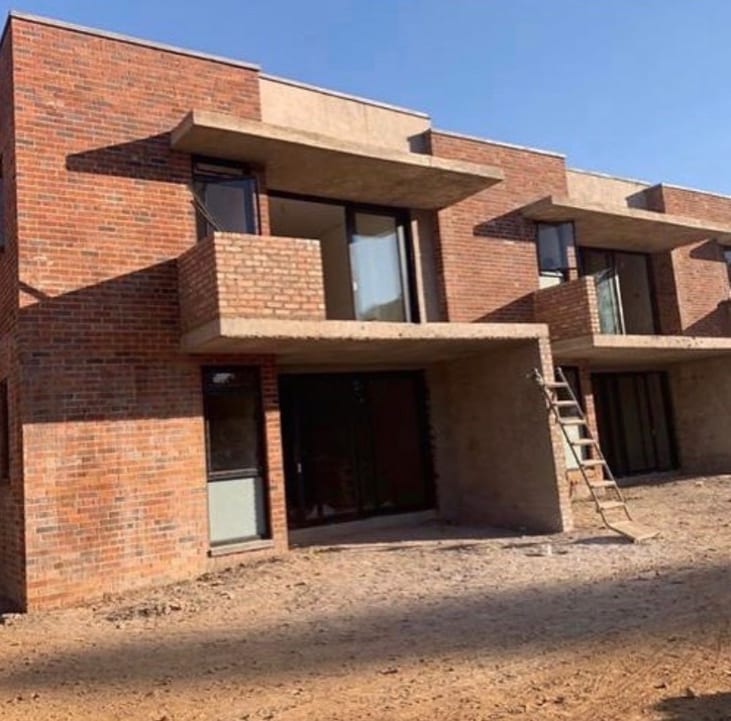
The Borrowdale cluster development is four units running as one programme — load-bearing face-brick construction, cast in-situ balconies and terraces, an aluminium glazing package and internal finishes. Multi-unit work is where coordination either shows or costs you: the same trade has to move through four units in sequence without returning, and the glazing package has to land in one delivery rather than four. That is a programming job before it is a building one.
Common questions
- Can you manage a project you are not building?
- Yes. We take on project management where the trades are already appointed or where you want an independent agent coordinating them, with the same weekly cost and programme reporting.
- What does weekly reporting actually contain?
- Progress against the dated programme, spend against budget, any variations raised and their cost, and anything upcoming that needs a decision from you.
- How are variations handled?
- Priced and agreed in writing before the work is done. A variation that first appears on a final account is a dispute waiting to happen.
Get a quote for project management
Free itemised quote and 3D visual, and a straight answer on timing. Send us the details and we’ll come back to you the same day.
WhatsApp +263 77 153 9903 · Mon – Fri, 08:00 – 17:00 · Sat 08:00 – 13:00